
Fuel Catalyst
Benefits & FAQs

Quick Guide

Q. What’s to be gained by using fuel catalysts?

A. More efficient, longer lasting, and less polluting engines.

Plus the ability to run engines designed for high quality fuel on low quality fuel instead.

And more besides. For more details please click: valuable benefits in almost every case

Q. Do fuel catalysts always work?

A. Fuel catalysts almost always give benefits which often are substantial, and not infrequently transformational. But there are circumstances in which they will make little, if any, difference. For more details please click: important facts to be aware of

Q. Are fuel catalysts easy to fit?

A. It is important to note that whilst fuel catalysts are usually very easy to fit there are exceptions, especially with some modern cars. For more details please click: fitting fuel catalysts

HARD TO BELIEVE ANYTHING SO SIMPLE CAN DO SO MUCH?

If you find yourself thinking that fuel catalysts sound ‘too good to be true’ may we recommend that you read the Fuelspiracy! story. Available as a free .pdf download from fuelspiracy.info, Fuelspiracy! shows a snapshot of some of the vast evidence that fuel catalysts are beneficial both to consumers and the environment. And Fuelspiracy! also shows how ‘powers-that-be’ have concealed this evidence from the wider public in a thirty-six year deception to an estimated value of $6,989,550,000,000.
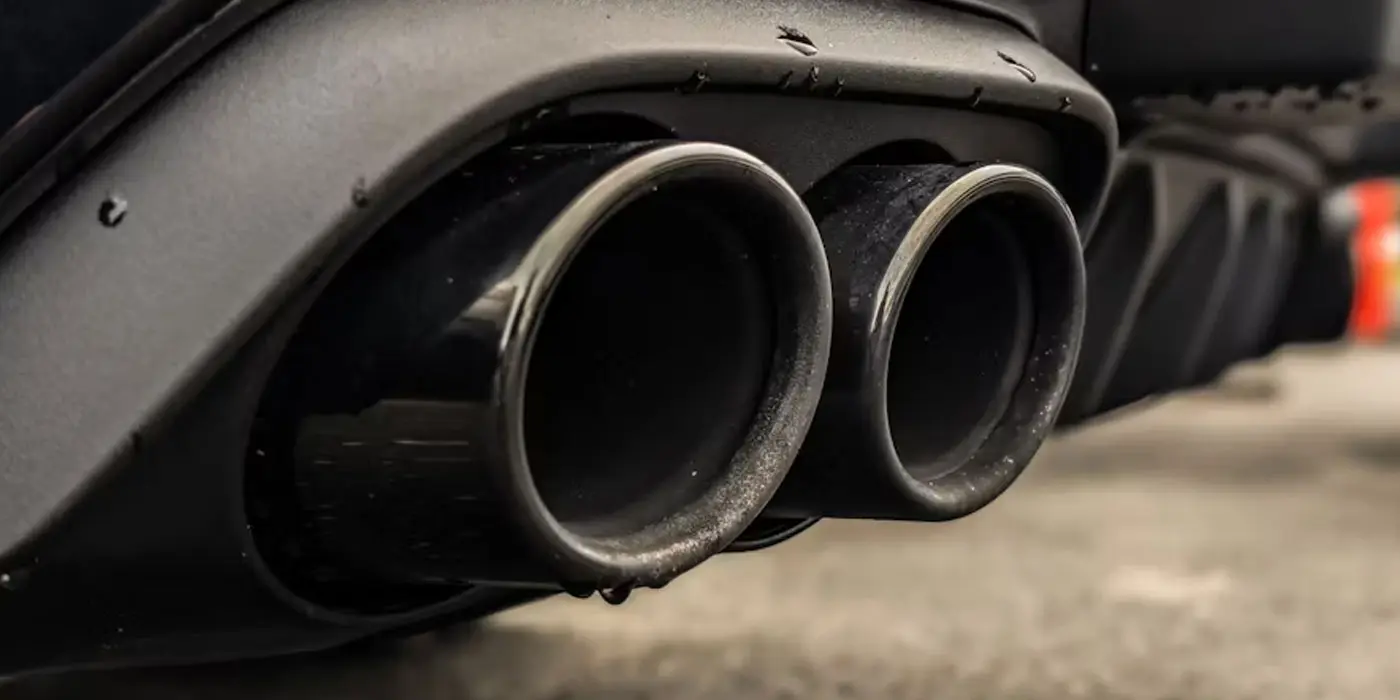
Fuel catalysts reduce wear and tear of engine and exhaust system components

Valuable benefits in almost every case

Fuel catalysts boost the quality of petrol, diesel, and other liquid hydrocarbon fuels.
This happens by courtesy of a catalytic process that has consistently been found to lead to:
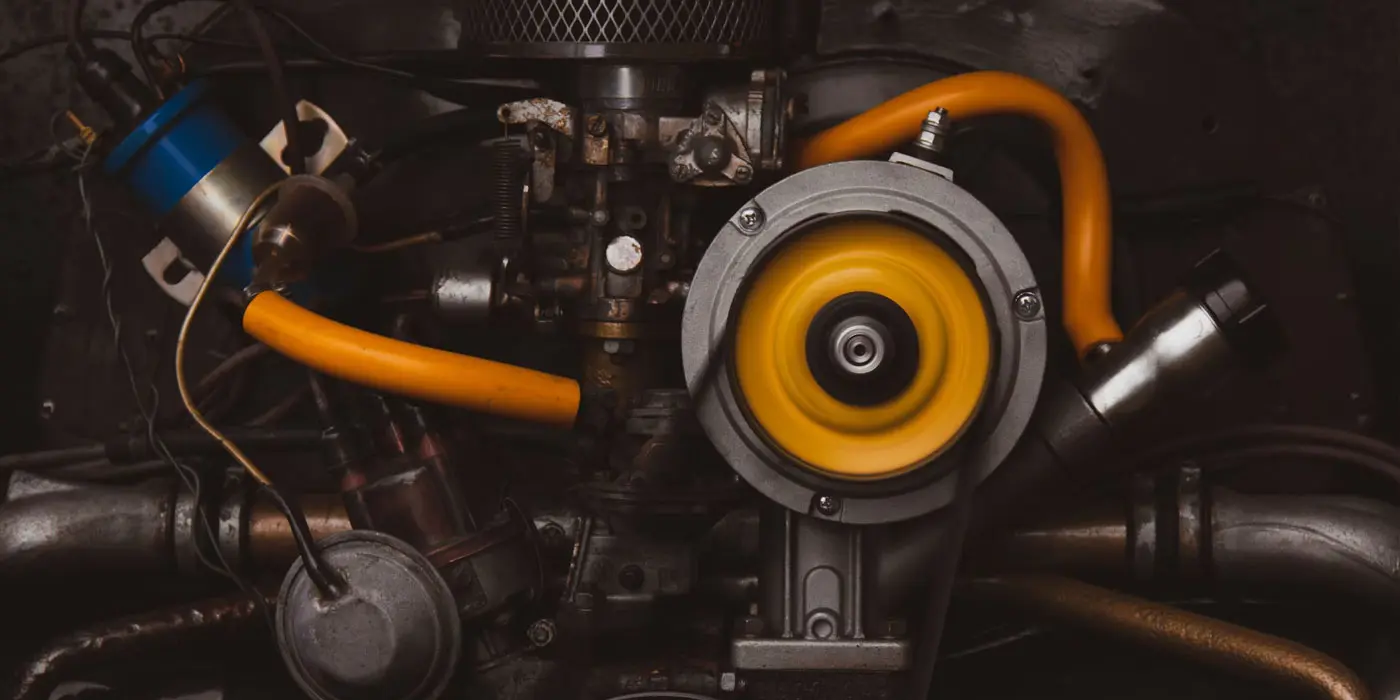
  • Better and more responsive performance due to additional energy release from fuel
  • The improved fuel combustion also causes gradual removal of abrasive energy-sapping carbon deposits from inside engines to give further performance improvements after (typically) one or two thousand miles.
  • Reduced fuel consumption when extra performance is not used as extra speed.
  • Reduced toxic emissions including HC, CO, particulates, black smoke, and NOx from engines to give a cleaner environment and reduced risk of failed MOT tests.
  • Reduced frequency of blocked diesel particulate filters (DPFs) in modern diesel vehicles due to reduced contamination by particulates and other pollutants.
  • Reduced AdBlue consumption in modern diesel vehicles due to reduced NOx emissions from the engine
  • Longer lasting engines and exhaust systems due to less severe operating conditions.
  • Engines designed for expensive high quality fuels enabled to use inexpensive low quality fuels instead. At one time for example, fuel catalysts enabled ‘leaded only’ petrol engines to use unleaded fuel. And nowadays they help engines designed for E5 petrol to use E10 instead (but please see important note below) as well as diesel engines designed for expensive grades to use cheap supermarket grades.
  • Fuel in storage (including fuel in fuel tanks) takes far longer to deteriorate in quality. And this allows for easy engine starting even after extended periods without use. This is especially important with seasonally or infrequently used equipment such as marine outboards, lawnmowers, motorcycles, generators etc. Time and time again these have been found to start first time with fuel catalysts when otherwIse they would not have been expected to start at all.
Fuel catalysts reduce wear and tear of engine and exhaust system components

There are also…

Important facts to be aware of

When fuel catalysts will make little difference, if any

  • Although unusual it has happened that a used vehicle has been purchased that, unbeknown to its new owner, has already had catalysts fitted by a previous owner. In these cases extra catalysts may make little extra improvement.
  • If fuel catalysts are not fitted so that they are immersed in fuel in the fuel tank they will not work.

Improvements may take time

  • Especially if your vehicle’s engine is already smooth and powerful you may notice little change at first, although there are frequent reports of swift improvements with the new enhanced range of catalysts from this website. In any case, after 1,000 or so miles have been covered, carbon deposits in engines are sufficiently removed to bring about improved economy and performance. And, as time passes, the difference between an engine with a fuel catalyst and an otherwise identical engine without becomes more and more significant.

Will not fix existing faults

  • Fuel catalysts reduce wear and tear of engine and exhaust system components but they cannot fix existing mechanical or electrical faults.

E10 fuel in older petrol engines that otherwise need E5 fuel

  • Fuel catalysts have consistently been found to enable petrol engines that currently need expensive E5 for optimum performance to operate perfectly with inexpensive E10 instead. However we are unable to guarantee that damage to fuel system seals that can be caused by E10 to older vehicles will be prevented.

Emissions may rise temporarily before falling to very low levels

  • In engines with existing heavy carbon deposits emissions may initially increase after fuel catalysts are fitted. If this happens it is because carbon deposits inside the engine are being removed and are exiting the engine via the exhaust system. For this reason the best time to fit fuel catalysts may not be immediately prior to an MOT test. However fuel catalysts can dramatically cut the chances of MOT failure once an engine has been run for a thousand or more miles.

Vehicle warranties

  • We are often asked “are new vehicle warranties affected by fitting a fuel catalyst?” and our answer is that they would only be affected if a fault could be traced to the catalyst and to the best of our knowledge this has never happened.

Fitting fuel catalysts

Correct fitting is essential for safety and efficacy
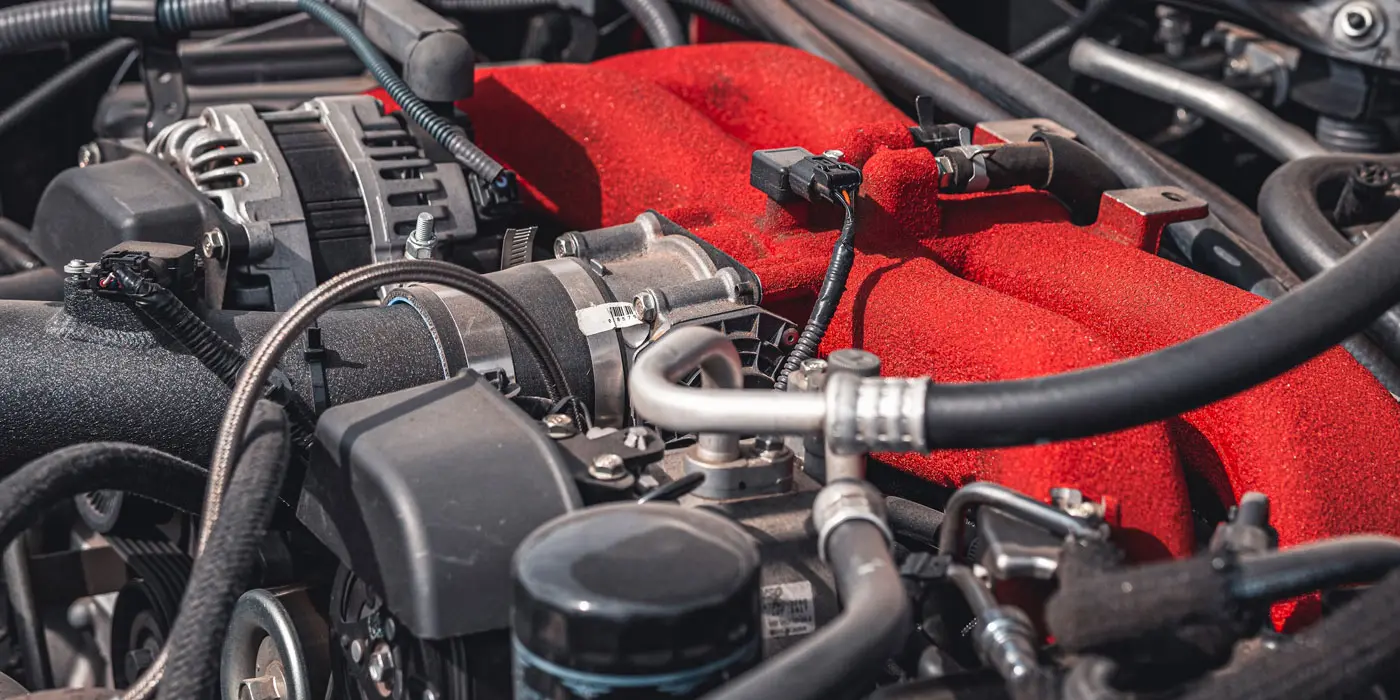
  • In machinery from almost all outboard marine engines, motor cycles, garden equipment and many others, fitting is simply a case of dropping the catalysts into the fuel tank. And whilst it is the same with many cars there are others in which professional assistance will be necessary. Please see How fuel catalysts are fitted
Fuel catalysts reduce wear and tear of engine and exhaust system components